Complete Guide to Children's Dental Health: Keys to Ensuring Healthy Smiles for Kids
Pediatric dental care is an essential aspect of a child's overall health. Early check-ups can prevent serious dental issues later in life. Developing proper tooth care practices during early years is essential. Diet equally contributes to keeping teeth strong and healthy. Understanding common dental problems in children can aid in prevention. Yet, a lot of parents have difficulty making teeth cleaning an enjoyable experience. Exploring effective strategies can lead to healthier smiles for children.
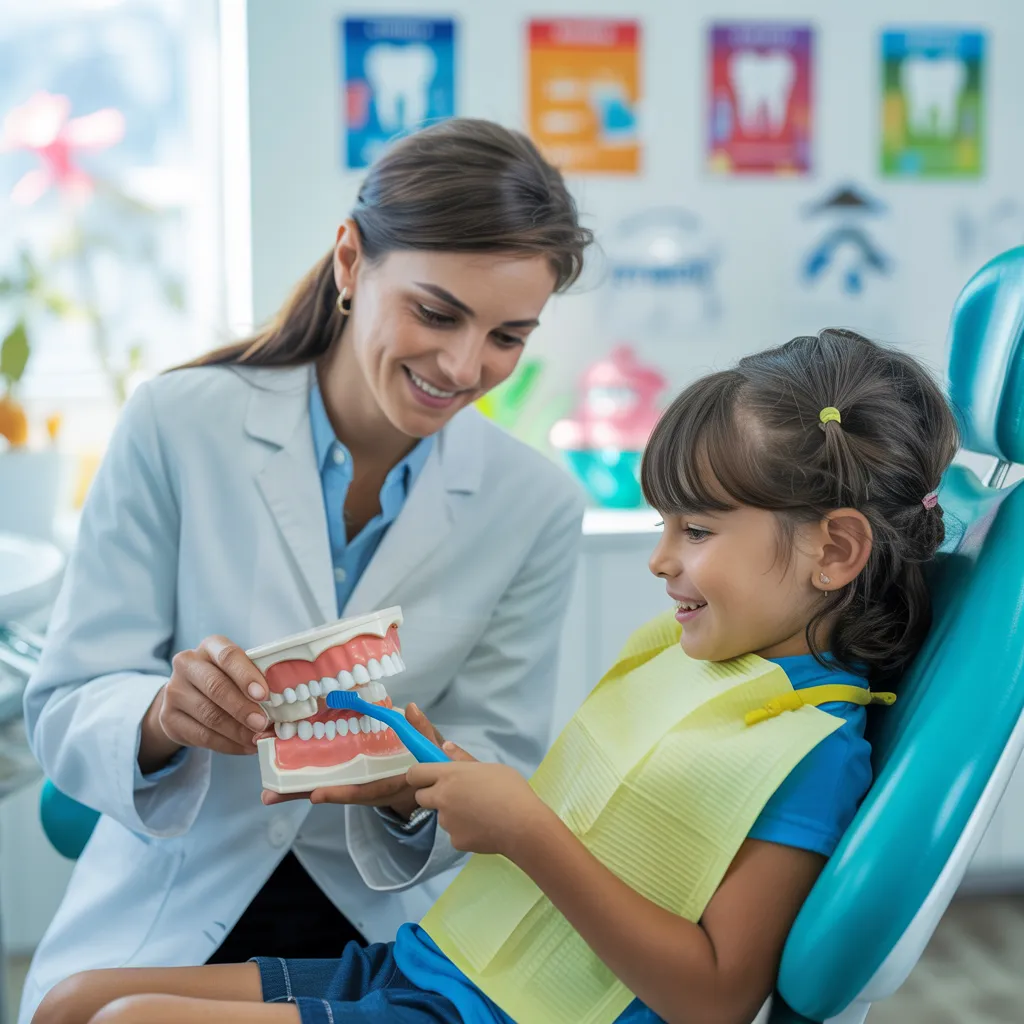
Why Early Dental Visits Are Important
While many parents could underestimate the importance of dental care for young children, early dental appointments play a crucial role in laying a foundation for lifelong oral health. These appointments generally begin around the age of one, aligning with the eruption of the first teeth. During these examinations, pediatric dentists review dental development and can recognize potential concerns, such as cavities or alignment concerns, before they progress.
Initial check-ups additionally provide an opportunity for parents to receive direction on best practices for oral hygiene, dietary choices, and the prevention of dental diseases. By fostering a positive relationship with dental care at a young age, children are more likely to carry on with these habits into adulthood. In addition, regular visits help reduce anxiety associated with dental procedures, making future appointments more manageable. In the end, early dental check-ups are crucial for promoting healthy smiles and instilling lifelong oral health practices.
Building Proper Dental Care Habits
Establishing good oral hygiene habits early in life is crucial for children's long-term dental health. Parents have an important role in showing their children the importance of brushing and flossing. It is recommended that caregivers begin cleaning infants' gums with a soft cloth after feedings and introduce a little, soft-bristled toothbrush once the first tooth appears. Children should be encouraged to brush two times a day with fluoride toothpaste, ensuring they use only a pea-sized amount.
Moreover, turning dental care an entertaining and stimulating routine can foster positive attitudes toward oral hygiene. Parents might consider using songs or timers to make brushing entertaining. Routine dental check-ups reinforce these habits and supply professional guidance. By instilling these practices early, children are inclined to maintain proper oral hygiene throughout their lives, minimizing the risk of cavities and other dental issues.
How Nutrition Affects Your Dental Wellness
Appropriate nutrition serves an important function in sustaining children's dental wellness. A wholesome diet containing ample vitamins and minerals is key to establishing strong teeth and gum tissue. Calcium, located in dairy foods and green leafy vegetables, fortifies tooth formation, whereas phosphorus contributes to enamel repair. Furthermore, vitamin C, found in produce, assists in maintaining gum health and reducing inflammation.
In contrast, too much consumption of sugar-laden foods and drinks can contribute to tooth decay. Sugar engages with bacteria in the mouth, producing acids that erode enamel. Caregivers should prioritize whole foods such as fruits, vegetables, whole grains, and lean proteins, and limit sugary snacks and drinks to promote excellent dental health.
Hydration also plays an essential role; water works to eliminate food particles and bacteria. Through promoting nutritious dietary practices, parents can powerfully shape their children's lasting oral health, building the base for a lifetime of beautiful smiles.

Prevalent Oral Health Issues in Children and How to Stop Them
Sustaining a wholesome diet not only promotes healthy teeth but also helps in preventing common dental issues among children. Cavities, often caused by sugary foods and insufficient oral hygiene, rank as one of the most common dental problems. To mitigate this risk, parents should encourage regular brushing and flossing, ideally twice a day. Furthermore, dental sealants can provide an extra layer of protection for molars, which are particularly prone to related resource decay.
An additional concern is misalignment, which can lead to issues like overcrowding or bite problems. Regular dental check-ups can spot these complications early, facilitating timely intervention. In addition, thumb-sucking and prolonged pacifier use can influence dental development, so parents should monitor and limit these habits.
Turning Dental Care Enjoyable for Kids
Creating an enjoyable dental care routine for children can turn a routine chore into a fun activity. Interactive methods that engage children make oral hygiene less daunting. Parents can incorporate colorful toothbrushes and flavored toothpaste, creating an experience that is visually appealing and palatable. Establishing a dental care chart that rewards youngsters with stickers for daily brushing can encourage their active participation.
Role-playing games can also enhance excitement; youngsters could delight in playing the roles of dentists and those receiving care. Including musical content or engaging clips regarding tooth cleaning can additionally amuse them while teaching correct methods. Arranging household teeth-cleaning times transforms it into a connecting experience, reinforcing the importance of dental health.
Furthermore, storytelling can help children grasp the value of dental care through engaging narratives highlighting their favorite characters. By implementing these methods, parents can cultivate lifelong dental habits in their children while ensuring that the process remains entertaining and engaging.
Questions & Answers
What Age Should My Child First Visit the Dentist?
A child should first visit the dentist by their first birthday or within six months after their first tooth appears. Starting dental care early promotes good oral hygiene practices and allows monitoring of the child's dental development.
How Often Should Children Brush Their Teeth?
Children should brush their teeth at least twice a day. Regular brushing aids in eliminating plaque and avoiding cavities, building strong dental care practices from a young age. Caregivers have a vital part in making sure this habit is formed.
Are Fluoride Treatments Safe for Small Children?
Fluoride treatments are commonly viewed as safe for young kids when provided by a dental professional. These treatments serve to strengthen teeth and reduce cavity formation, but parental guidance and suitable dosage remain crucial to provide both safety and efficacy.
When Is the Right Time for My Child to Change to a Manual Toothbrush?
Children should typically switch to a manual toothbrush around age six, when they gain the coordination required to effectively use one. Parents should supervise brushing to confirm proper technique and thorough cleaning of teeth.
What Actions Should I Take When My Child Has a Dental Emergency?
In the event of a dental emergency, keep calm, assess what's happening, and seek professional help right away. Softly rinse the damaged area, contain any bleeding, and ensure the child doesn't consume any food or drinks.