The Importance of Choosing the Right Orthodontist for Your Smile Journey
Identifying the best orthodontist is a critical choice in attaining an exceptional smile. This choice impacts not only the efficacy of the treatment but also the general experience. A knowledgeable orthodontist appreciates individual needs and tailors plans suitably. Additionally, their ability to convey information clearly can significantly elevate patient comfort. As the journey unfolds, the significance of this decision becomes progressively evident, prompting questions about what qualities truly count in an dental expert.
Why Selecting the Right Orthodontist Is Important for Your Smile
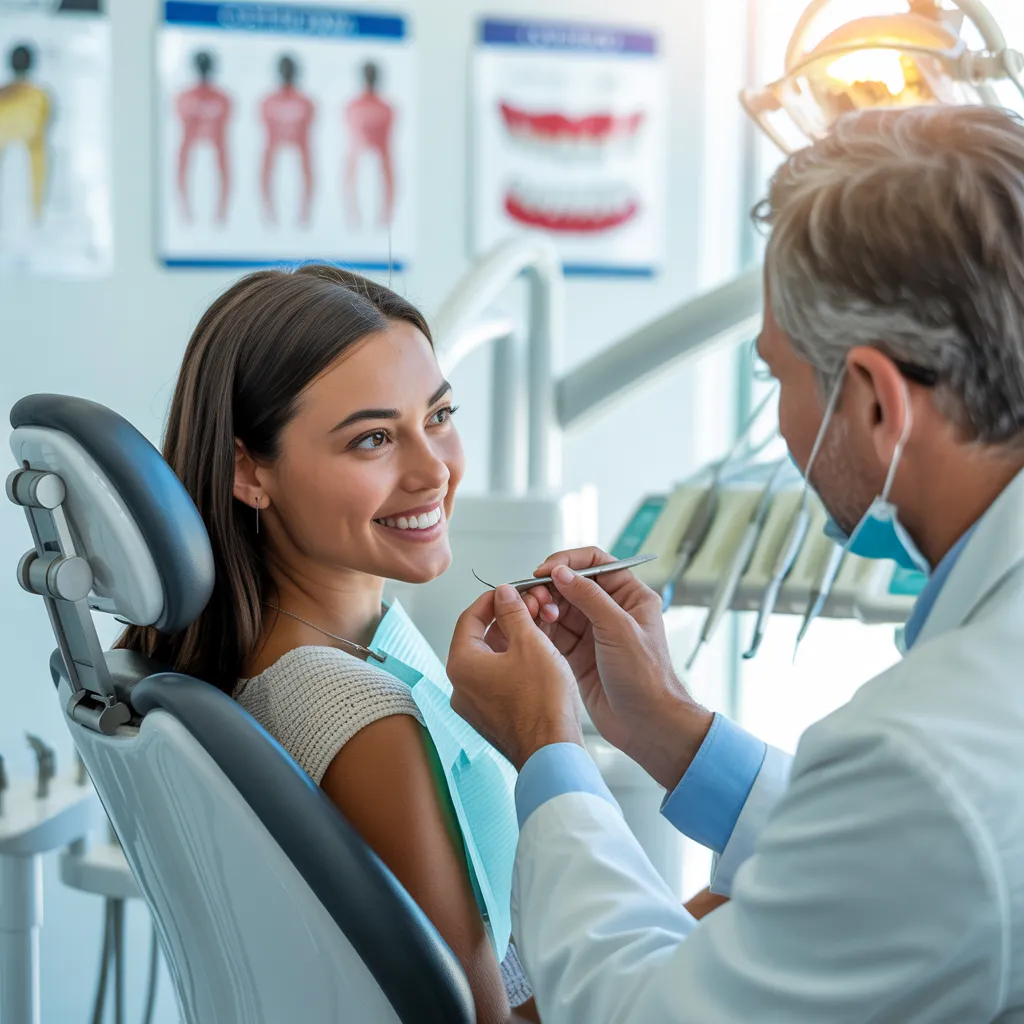
Selecting the right orthodontist is vital, as a qualified professional can considerably influence the quality of one's smile. The journey to attaining a perfect smile requires not only technical expertise but also a profound understanding of personal needs. An seasoned orthodontist implements customized treatment plans, guaranteeing that each patient benefits from personalized attention based on their unique dental structure.
Furthermore, the selection of orthodontist shapes not only the efficacy of the treatment but also the entire experience. A communicative and supportive orthodontist fosters a reassuring environment, encouraging patients to ask questions and express concerns throughout the treatment journey.
Moreover, the best orthodontist remains current with the most recent innovations in orthodontic methods and technology, which can produce more efficient and effective treatments. Ultimately, choosing a skilled orthodontist is a crucial step toward reaching a beautiful, healthy smile that can increase self-confidence and better your quality of life.
Key Qualities to Look for in Your Orthodontist
A successful orthodontic experience hinges on identifying certain key qualities in an orthodontist. For starters, a comprehensive educational background along with relevant credentials is necessary, guaranteeing that the orthodontist possesses up-to-date training and expertise in modern techniques. Additionally, strong communication abilities are of great importance; the orthodontist ought to clearly convey available treatment plans while thoughtfully responding to any concerns raised by patients.
In addition, a compassionate and patient-centered approach can significantly improve the patient experience. A dental professional who attentively hears their patients cultivates confidence and ease throughout the treatment process. Moreover, a friendly and efficiently structured practice environment conveys dedication to quality care and regard for patients' schedules.
Finally, evaluate the access of advanced technology and treatment options. An orthodontist who welcomes new techniques is likely to provide higher quality and streamlined treatment. By prioritizing these qualities, patients can arrive at well-considered decisions, contributing to a truly fulfilling orthodontic journey.
The Impact of Experience and Specialization on Orthodontic Outcomes
Experience and expertise serve as critical factors in shaping orthodontic results. A highly experienced orthodontist is more likely to navigate complex cases effectively, minimizing complications and improving results. Their proficiency with a wide range of techniques and technologies enables a customized strategy suited to each patient's individual needs.
Specialization in orthodontics significantly improves the quality of treatment. Orthodontists who focus solely on this field keep pace with cutting-edge progress, guaranteeing they utilize the most effective methods. This level of knowledge may produce greater diagnostic precision and personalized treatment approaches that benefit both the practical and visual outcomes.
In addition, a skilled orthodontist can readily detect potential concerns during the course of treatment, performing timely modifications that can considerably shape the overall outcome. When all is said and done, choosing an orthodontist with a established record of achievement and professional expertise is critical for reaching a radiant and healthy smile, as their abilities and understanding directly shape the overall effectiveness of care.
Finding Your Orthodontic Treatment
What factors should one consider when selecting an orthodontic treatment? To begin, the nature of teeth misalignment plays a vital role. Various options, such as conventional metal braces, ceramic braces, and transparent aligners, address a variety of needs and preferences. The complexity of the case also affects the choice of treatment; more severe alignment issues may necessitate targeted methods. Additionally, the treatment duration is a critical factor. Individuals frequently prefer a schedule that fits personal schedules or appearance-related goals.
Price is another crucial element, as orthodontic treatments can fluctuate considerably in cost. Insurance benefits may additionally be a factor in decision-making. Additionally, individual personal preferences, including diet-related restrictions and maintenance routines, should be assessed. Lastly, seeking guidance from an orthodontist can provide insights into the best and most fitting treatment options based on a patient's individual dental needs. This comprehensive assessment confirms that people embark on a rewarding orthodontic experience.
How Comfort and Communication Play a Key Role in Your Orthodontic Journey
While commencing an orthodontic journey, comfort and communication emerge as essential factors that significantly impact the overall experience. A patient's comfort within the orthodontic setting can notably shape their readiness to participate in treatment. An warm and inviting setting, along with a compassionate staff, promotes trust and relaxation, ensuring appointments feel less daunting.
Proper communication is equally vital. An orthodontist who genuinely engages with patient concerns and plainly describes procedures makes certain that individuals feel appreciated and acknowledged. This transparency helps alleviate anxiety and promotes a collaborative relationship, where patients are more likely to adhere to treatment plans.
Moreover, a strong relationship between the orthodontist and patient can produce better outcomes. When patients are at ease sharing their preferences or fears, orthodontists can tailor their treatment approach to meet specific needs. In the end, valuing communication and comfort lays the groundwork for a successful orthodontic process, boosting both patient satisfaction and treatment outcomes.
What Happens During Your Initial Consultation With an Orthodontist?
Within the initial appointment with an orthodontist, patients can expect a comprehensive examination of their oral health and dental alignment. This first appointment generally includes a detailed assessment of the jaw, teeth, and facial composition. The orthodontist will often capture dental impressions, X-rays, and photographs to assess the patient's unique dental situation.
Once the examination is complete, the orthodontist will review available treatment approaches designed to meet the patient's specific needs. This encompasses an discussion of the range of aligners or braces on offer and the expected timeframe of treatment. Patients are encouraged to ask questions and voice any worries they may have regarding the procedure.
In addition, this consultation serves as an opportunity to gauge the level of comfort with the orthodontist and the practice environment, which is crucial for creating a positive relationship throughout the course of treatment. Overall, the initial consultation is a vital step in achieving a healthier and more attractive smile.
Answers to Your Most Common Questions
What Is the Duration of My Orthodontic Treatment?
Orthodontic treatment timelines commonly range from half a year to two years, based on the patient's individual needs, the complexity of their case, and the appliances selected. Scheduling consistent appointments with the orthodontist can help establish a more accurate treatment schedule.
What Are the Costs Associated With Different Treatment Options?
Costs associated with different orthodontic treatment options vary considerably, usually spanning from $3,000 to $8,000. Key considerations that impact these costs involve guide the kind of treatment, its duration, and each patient's unique orthodontic needs, affecting overall budget considerations for patients.
Are There Age Limits for Starting Orthodontic Treatment?
Generally, there are no rigid age restrictions for beginning orthodontic treatment. Patients of all ages can benefit, since timely evaluations tend to produce more effective outcomes, ensuring ideal dental health and alignment over time.
Will I Need to Wear a Retainer After Treatment?
Absolutely, using a retainer after orthodontic treatment is very important. It works to maintain teeth positioning and keeps them from reverting to their prior placement. Compliance with retainer use strongly supports long-term results and a well-maintained smile.
How Do I Keep Up With Oral Hygiene Throughout Orthodontic Treatment?
To preserve oral health throughout orthodontic treatment, it is recommended to clean their teeth following every meal, apply fluoride toothpaste when brushing, maintain a regular flossing routine, and consider an orthodontic toothbrush. Additionally, regular dental check-ups are essential for keeping a close eye on oral health as treatment progresses.