The Significance of Finding the Right Orthodontist for Your Smile Journey
Choosing the best orthodontist is a pivotal choice in achieving an exceptional smile. This selection affects not only the effectiveness of the treatment but also the complete experience. A skilled orthodontist appreciates individual needs and adapts plans accordingly. Furthermore, their ability to engage professionally can greatly improve patient comfort. As the treatment unfolds, the effect of this choice becomes increasingly evident, raising questions about what characteristics truly count in an dental specialist.
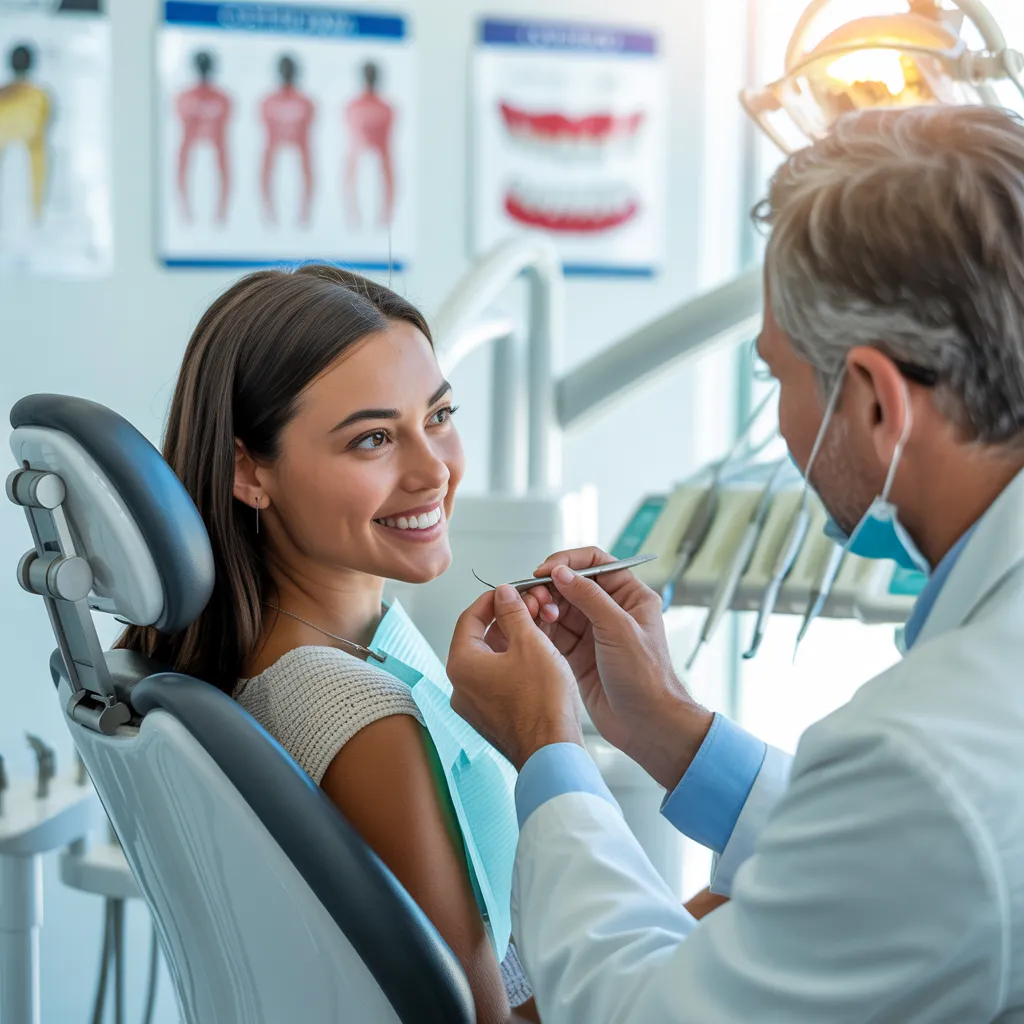
Why Selecting the Right Orthodontist Is Important for Your Smile
Selecting the ideal orthodontist is essential, as a skilled professional can considerably influence the quality of one's smile. The journey to reaching a perfect smile encompasses not only technical skill but also a deep understanding of personal needs. An seasoned orthodontist employs tailored treatment plans, guaranteeing that each patient receives personalized attention based on their distinctive dental structure.
Moreover, the choice of orthodontist influences not only the success of the treatment but also the overall experience. A dedicated and responsive orthodontist establishes a positive environment, permitting patients to ask questions and express concerns throughout the treatment journey.

In addition, the right orthodontist remains current with the latest advancements in orthodontic technology and methods, which can produce more successful and streamlined treatments. When all is said and done, choosing a qualified orthodontist is a vital step toward achieving a radiant, healthy smile that can boost confidence and elevate your overall quality of life.
Important Qualities to Seek in Your Orthodontist
Achieving a positive orthodontic outcome depends on pinpointing the most important qualities to look for in an orthodontist. First, a strong educational background and relevant certifications are essential, ensuring the orthodontist is well-trained and knowledgeable about the latest techniques. Next, effective communication skills are vital; the orthodontist must be capable of outlining treatment choices in a straightforward manner and resolving any questions patients may have.
Additionally, a thoughtful and patient-oriented strategy can significantly improve the experience. An orthodontic specialist who values patient input establishes reliability and reassurance throughout the duration of care. Additionally, a welcoming and well-organized practice environment reflects professionalism and respect for patients' time.
Finally, examine the availability of advanced technology and treatment options. An orthodontist who embraces innovation is positioned to deliver superior and timely orthodontic services. By focusing on these key factors, individuals can reach thoughtful conclusions, contributing to a more satisfying orthodontic experience.
How Expertise and Specialization Affect Orthodontic Results
Expertise and specialization are fundamental elements in determining orthodontic outcomes. An orthodontist with a wealth of experience is more likely to navigate complex cases effectively, reducing the risk of complications while enhancing outcomes. Their proficiency with a wide range of techniques and technologies allows for a tailored approach to each patient's unique needs.
Expertise in orthodontics further enhances treatment quality. Orthodontists who focus solely on this field keep pace with the latest advancements, guaranteeing they utilize the most proven techniques. This level of knowledge may produce more precise assessments and tailored treatment plans that enhance both functionality and aesthetics.
Moreover, a qualified orthodontist can promptly recognize potential problems during the course of treatment, applying timely changes that can substantially affect the final outcome. At the end of the day, selecting an orthodontist with a proven track record and area of expertise is critical for securing a beautiful and healthy smile, as their proficiency and insight greatly affect the efficacy of the treatment.
Finding Your Orthodontic Treatment
What aspects should be taken into account when selecting an orthodontic treatment? Initially, the nature of teeth misalignment plays a vital role. Several choices, such as conventional metal braces, ceramic braces, and clear aligners, accommodate diverse requirements and preferences. The complexity of presentation the case also affects the choice of treatment; more severe alignment issues may require specific approaches. Additionally, the overall treatment timeline is a critical factor. Many patients seek a timeline that aligns with individual obligations or cosmetic preferences.
Price serves as an additional significant consideration, as orthodontic treatments can vary greatly in cost. Insurance coverage may further be a factor in the decision-making process. In addition, individual lifestyle preferences, including diet-related restrictions and upkeep routines, should be assessed. Finally, seeking guidance from an orthodontist can offer valuable insights into the best and most fitting treatment options based on a patient's unique dental profile. This comprehensive assessment ensures that people embark on a successful orthodontic journey.
Why Comfort and Communication Are Essential to Your Orthodontic Journey
As patients embark on an orthodontic journey, comfort and dialogue surface as key components that significantly impact the overall experience. A patient's ease in the orthodontic environment can considerably affect their willingness to engage with treatment. An warm and inviting setting, along with a empathetic dental team, encourages a sense of calm and confidence, helping appointments feel more approachable.
Clear communication is just as important. An orthodontist who carefully attends to patient concerns and thoroughly explains treatments ensures that patients feel respected and heard. This openness works to reduce anxiety and fosters a cooperative dynamic, where patients are more inclined to follow their treatment plans.
Furthermore, a solid relationship between the orthodontist and the patient can lead to enhanced outcomes. When patients feel confident sharing their concerns and desires, orthodontists can adapt the treatment plan to address individual needs. Ultimately, prioritizing open communication and patient comfort creates the basis for a successful orthodontic process, improving both results and satisfaction.
What Happens During Your Initial Consultation With an Orthodontist?
During the opening visit with an orthodontist, patients can expect a comprehensive examination of their teeth health and overall alignment. This first appointment typically involves a thorough assessment of the teeth, jaws, and facial structure. The orthodontist may take X-rays, photographs, and dental impressions to evaluate the patient's particular orthodontic needs.
Once the examination is complete, the orthodontist will review available treatment approaches tailored to the individual's needs. This includes an overview of the range of braces or aligners that are available and the estimated duration of treatment. Patients are encouraged to ask questions and express any concerns they may have about the treatment process.
Moreover, this consultation serves as a chance to determine the level of comfort with the orthodontic specialist and the office environment, which is vital for establishing a positive connection throughout the treatment process. Overall, the first consultation is a vital step in reaching a more radiant and healthier smile.
Answers to Your Most Common Questions
What Is the Duration of My Orthodontic Treatment?
Orthodontic treatment timelines commonly range from six months to two years, influenced by personal requirements, case complexity, and the orthodontic appliances chosen. Regular consultations with the orthodontist can provide more accurate timelines.
What Are the Expenses Linked to Various Treatment Options?
The costs linked to various orthodontic treatment options differ significantly, usually spanning from $3,000 to $8,000. The elements that affect these expenses encompass the treatment type, length, and personal orthodontic requirements, influencing the total budgetary planning that patients must take into account.
Do Age Limits Exist for Beginning Orthodontic Treatment?
Generally, there are no rigid age restrictions for beginning orthodontic treatment. Both children and adults can benefit, as early assessments frequently result in more effective interventions, ensuring ideal dental health and alignment over time.
Will I Need to Wear a Retainer After Treatment?
Absolutely, having a retainer after braces treatment is highly recommended. It works to maintain the alignment of your teeth and stops them from moving back to their original position. Compliance with retainer use strongly supports sustained dental results and a stable smile.
What Are the Best Ways to Maintain Oral Hygiene During Orthodontic Treatment?
To preserve oral health throughout orthodontic treatment, one should brush their teeth after each meal, apply fluoride toothpaste when brushing, floss on a consistent basis, and consider an orthodontic toothbrush. Additionally, routine dental visits are crucial for monitoring oral health throughout the process.